Key Takeaways
- Child custody orders in Ghana are based on the best interests of the child not gender or finances per se.
- Young Babies are usually given to their mothers unless that is not in the best interest of the baby.
- Financial support for children may continue even after divorce or with no marriage.
- The Court will not allow Custody rights to be denied as punishment for a parent’s bad behaviour.
Children and Divorce in Ghana
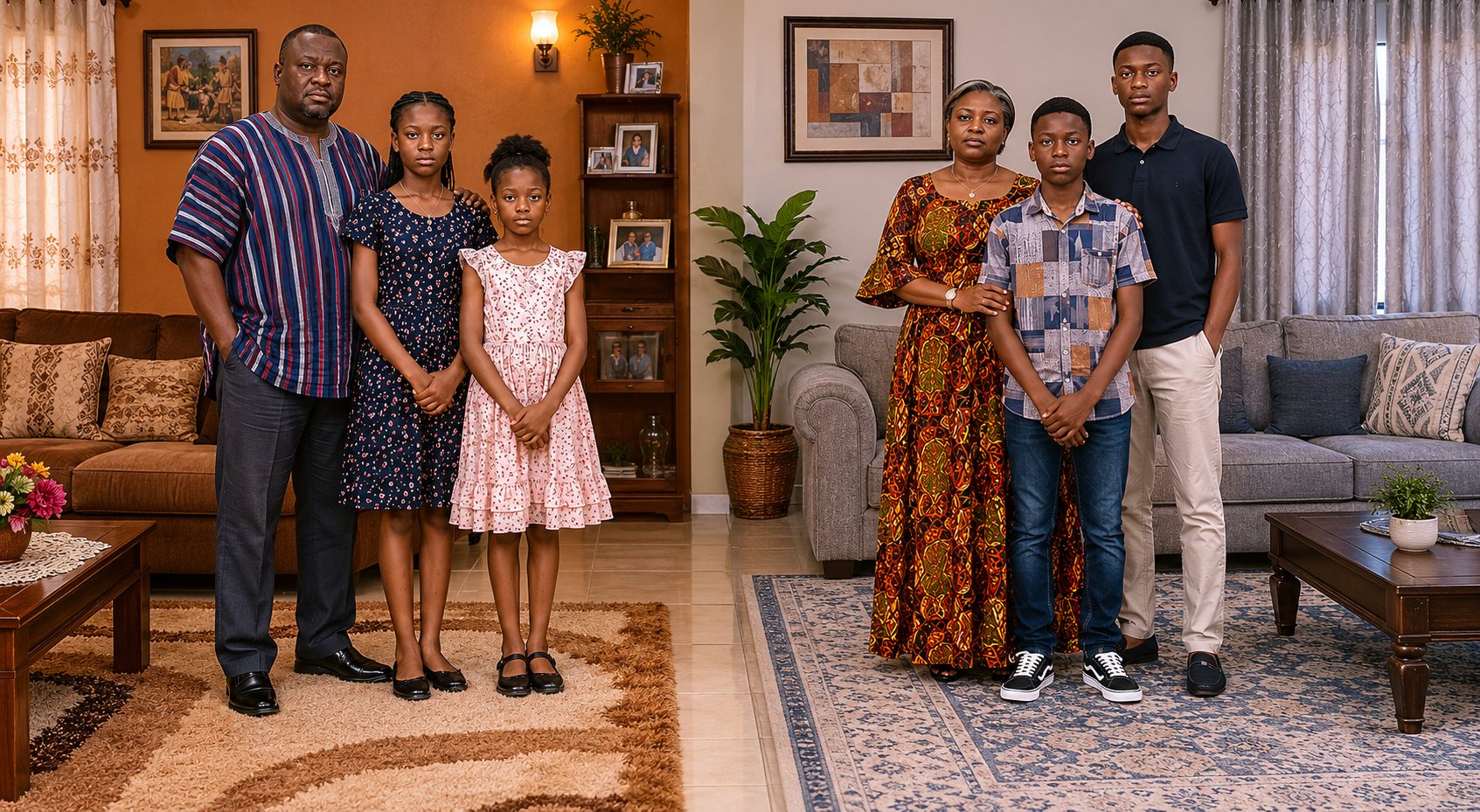
Divorce cases involving children are not only about the relationship between the parents. The court must also consider the welfare, care, and future of the child. In Ghana, the law treats the welfare of the child as the most important consideration in custody and maintenance matters. This is not just for divorce but for any case that involves children. This means the court does not decide these issues simply based on which parent is wealthier, who caused the divorce, or who believes they are morally right. The focus is on what arrangement will best support the child’s wellbeing, stability, and development. As a result, custody and maintenance decisions are often highly important parts of divorce proceedings.
Who Is a Child Under Ghana Law?
Under Children’s Act, 1998 (Act 560), a child is a person below the age of eighteen. This legal definition is important because custody, access, care, and maintenance obligations are generally connected to children who fall within this age group.
The Welfare Principle
In custody matters, the welfare and best interest of the child is the court’s primary concern. This principle guides the court when deciding who the child should live with, how parental access should work, who should provide financial support, and what arrangements are most suitable for the child’s wellbeing. The court will usually examine the practical realities of the child’s life rather than personal disputes between the parents. Factors such as stability, care, emotional wellbeing, education, health, and the child’s overall environment may all become relevant. For this reason, custody decisions are not automatically determined by gender, income, or accusations made during the divorce.
Duties of Parents and Guardians
Under Ghana law, parents and guardians are generally responsible for providing the basic needs of a child. These responsibilities commonly include food, shelter, clothing, healthcare, education, protection, and general care and supervision.
In many custody cases, one parent may have primary day-to-day care of the child while the other contributes financially or exercises reasonable access. However, the exact arrangement depends on the circumstances of each case and what the court considers appropriate for the child’s welfare.
When Does the Duty End?
In general, parental responsibilities connected to custody and maintenance continue until the child reaches eighteen years of age. However, the practical circumstances of the child may still become relevant in some situations, particularly where questions of education, dependency, or ongoing care arise. The court will usually consider the specific facts of each case before making any orders relating to custody, access, or maintenance.
Child Custody, Care and Access
In Ghana, both parents generally have an interest in the care and upbringing of their child after divorce. However, those interests are always subject to the welfare and best interest of the child. The court’s role is not simply to decide which parent “wins” custody. Instead, the court attempts to determine what arrangement will best support the child’s safety, stability, development, and overall wellbeing. For this reason, custody disputes are often decided based on practical realities rather than personal accusations between the parties.
Do Parents Have a Right to Custody?
Parents generally have the right to seek custody or reasonable access to their child. However, these rights are not absolute. Where a parent’s conduct, circumstances, or behaviour may negatively affect the welfare of the child, the court may limit or refuse certain custody or access arrangements. The court will therefore focus primarily on what arrangement appears most suitable for the child’s welfare and long-term stability.
Does a Child Have a Right to Both Parents?
In many situations, the court recognises the importance of a child maintaining a relationship with both parents after divorce. Even where one parent is granted primary custody, the other parent may still be given reasonable access or visitation rights. This may include weekend visits, holiday arrangements, school visitation, phone or electronic communication, or other forms of continued contact. The exact arrangement depends on the circumstances of the case and what the court considers appropriate for the child’s welfare.
However, where contact with a parent may expose the child to harm, instability, neglect, or unsafe conditions, the court may restrict or supervise access.
What Courts Consider When Deciding Child Custody
This is not an exhaustive list. The Court may consider any fact or evidence that affects the child.

Age of the Child
Very young children may require different care arrangements from older children.

Emotional Wellbeing
The court may consider the emotional stability and welfare of the child.

Stability of the Home
A stable and suitable living environment is often an important factor.

Health and Safety
The court may consider whether the child’s physical safety and general wellbeing are adequately protected.

Educational Needs
Schooling and developmental needs may become relevant.

Relationship With Each Parent
The existing relationship between the child and each parent may be considered.

Financial Capacity
The ability of each parent to support the child financially may also become relevant, although custody is not determined by wealth alone.

Ability to Provide Proper Care
The court may consider which parent is better able to provide consistent care, supervision, and support.
The court focuses on what arrangement best supports the child’s welfare and long-term stability.
What Custody Arrangements May Look Like in Practice
Custody arrangements may differ from case to case. In some situations, one parent may have primary custody while the other parent receives reasonable access or visitation rights. In other situations, parents may agree on shared arrangements involving substantial involvement from both parties in the child’s upbringing. The court may also approve agreements reached between the parents where those arrangements appear suitable for the welfare of the child. However, where the parties cannot agree, the court will make a decision based on the evidence presented and the best interest of the child.
Child Maintenance and Financial Support
Divorce does not end a parent’s responsibility to support a child financially. Even after separation or divorce, parents and guardians generally remain responsible for ensuring that the child’s basic needs are properly met. In many divorce cases, the court may make maintenance orders requiring one or both parents to contribute financially toward the child’s care and upbringing. The purpose of maintenance is not to punish either parent. The court’s focus is usually on ensuring that the child receives proper care, support, and reasonable financial provision.
What Is Child Maintenance?
Child maintenance refers to financial support provided for the care and upkeep of a child. This support may be provided voluntarily through agreement between the parties or through a court order made during or after divorce proceedings. In many cases, one parent may have primary day-to-day care of the child while the other contributes financially through regular maintenance payments.
What Child Maintenance May Cover
The court aims to ensure that the child’s basic needs are properly supported.

Food and Daily Upkeep
Maintenance may contribute toward the child’s daily living expenses and general care.
School Fees and Education
Educational expenses, school fees, books, and related costs may become relevant.

Medical Care
Healthcare expenses and medical treatment may also be considered.

Clothing
The child’s clothing and personal needs may form part of maintenance obligations.
Housing and Shelter
Accommodation and living arrangements affecting the child may also become relevant.

Transport and Related Expenses
The Court may consider transport to school, medical appointments, or other important activities.
How Does the Court Decide the Amount?
There is no single fixed amount for child maintenance in Ghana. The court assesses each child’s needs based on the child’s unique circumstances. So the maintenance awarded for the child of a Minister of State will be different from that awarded for a child of the average Civil Servant. The court sometimes considers the standard of living that the child is used to and seeks to maintain that standard. However, the paying parent’s financial capacity to maintain that standard will determine how far the court can go.
The parties may also agree on what the weekly or monthly maintenance amount should be. Where the parties cannot agree, the court may determine an amount based on the circumstances of the case. The court may also consider other factors such as: the number of children involved or the existing responsibilities of the parties. Most importantly, the law allows the judge to consider any other relevant circumstances. This makes the pool of considerations limited only by the imagination.
Disputes about maintenance sometimes raise questions about how far the court can go in taking resources from the parent for the child. This tension exists especially for wealthy parents. For example, is a basic government school enough? or the most expensive private school the parent can afford? or where exactly in between? Is there any limit to what the Court can force a wealthy parent to provide? At what point does the child’s welfare principle become an overreach on the parent’s financial autonomy? We explore these questions in a future opinion article on Lexisgh.com. Please subscribe to our newsletter.
Can Mothers Also Pay Maintenance?
Yes. In some situations, the mother may also be ordered to contribute financially toward the maintenance of the child. This may become relevant where the father has custody, both parents share responsibilities, or the mother has stronger financial capacity in the particular circumstances of the case. The court will generally examine the overall welfare of the child and the financial circumstances of the parties before making any maintenance order.
Can Parents Agree on Maintenance?
In some situations, parents may agree on how maintenance and financial responsibilities will be handled after divorce. Where the arrangement appears reasonable and suitable for the welfare of the child, the court may approve or adopt the agreement. However, where the parties cannot agree, the court may impose maintenance terms based on the evidence and circumstances presented.
Enforcement of Custody and Maintenance Orders
Even after parents make custody or maintenance arrangements, disputes do not always end immediately. Some parents may refuse to pay maintenance, ignore visitation arrangements, or repeatedly fail to comply with court orders. In other situations, disagreements may arise because one parent believes the arrangements are unfair, unsafe, or no longer practical. Family disputes can therefore continue long after separation or divorce proceedings end.
Custody, access, and maintenance issues are also not limited to divorce cases alone. Parents may seek court orders even where they were never formally married or where no divorce case has been filed. In Ghana, both parents may still have legal responsibilities toward a child regardless of the status of their relationship. Where disputes arise or parties ignore court orders, either party may return to court or initiate court proceedings to seek enforcement, clarification, or further directions.
.
What Happens When Court Orders Are Ignored
Courts may take various steps where maintenance is not paid or custody/access arrangements are repeatedly ignored.
The Court May Issue Stronger Orders
Where disobedience continues, the court may issue stricter directions or enforcement measures.
Money or Income May Be Targeted
The court may target the defaulting parent’s bank accounts or income and take out the unpaid maintenance or financial obligations.
Property or Assets May Be Affected
The Court may also target the defaulting parent’s property, assets, or other financial resources and sell them to cover the unpaid amount.
Imprisonment Is Possible in Serious Cases
Persistent refusal to obey court orders may lead to serious legal consequences, including possible imprisonment.
Courts usually focus on the welfare of the child, fairness, and compliance with lawful court orders when resolving family disputes.
Can Custody or Maintenance Orders Change?
Yes. Custody, access, and maintenance orders may sometimes change after the court makes them. The court may make them stronger and more serious in reaction to a stubborn or difficult parent. The court may also relax them or make them softer as the circumstances of the child and the parents change. Factors such as a parent losing their job or getting a better paying job may influence this. Other factors may include alternate living arrangements, new schools, relocation, and any other relevant changes. The court will usually examine the new circumstances before deciding whether any changes to the existing orders are appropriate.
Frequently Asked Questions: Common Questions About Child Custody and Maintenance
Does the mother automatically get custody of the child?
No. Ghanaian courts do not automatically grant custody based only on gender. The court’s primary concern is the welfare and best interest of the child. The court will therefore examine the circumstances of each case before deciding what custody arrangement appears most suitable.
Can a father get custody in Ghana?
Yes. A father may be granted custody where the court considers the arrangement appropriate for the welfare of the child. The court may consider factors such as stability, care arrangements, safety, emotional wellbeing, and the ability to provide proper support and supervision. Read our full guide on father custody rights in Ghana.
Does adultery automatically affect custody?
Not necessarily. Custody decisions are generally based on the welfare of the child rather than punishment for marital misconduct. However, where a parent’s conduct directly affects the safety, stability, or wellbeing of the child, the court may take those circumstances into account.
Can parents agree on custody arrangements themselves?
Yes. In some situations, parents may agree on custody, access, and maintenance arrangements without prolonged disputes. Where the arrangement appears suitable for the welfare of the child, the court may approve or adopt the agreement. However, where the parties cannot agree, the court may make a decision based on the evidence presented.
Is child maintenance always paid monthly?
Not always. The structure of maintenance may depend on the circumstances of the case and the arrangement approved or ordered by the court. In many situations, maintenance may involve regular financial contributions toward the child’s upkeep and expenses.
Can custody arrangements change later?
Yes. Custody and access arrangements may sometimes change where circumstances significantly affect the welfare of the child. The court may review issues such as relocation, schooling, financial changes, health concerns, or the living conditions of the parties before deciding whether a variation is appropriate.
What if one parent refuses to comply with the court order?
A party affected by non-compliance may return to court to seek enforcement or further directions. The court can compel enforcement by targeting bank accounts, income or property. In sextreme cases even imprisonment may be an option. The court may issue further orders where necessary to protect the welfare and interests of the child.
Does custody mean the other parent loses all rights?
No. Even where one parent has primary custody, the other parent may still receive reasonable access or visitation rights unless the court decides otherwise. In many situations, the court recognises the importance of continued parental involvement where appropriate and safe for the child.
Custody and Maintenance Disputes
Custody and maintenance disputes can become emotionally difficult and highly contested, especially where communication between the parties has broken down. In many cases, parents enter divorce proceedings expecting the court to fully support their personal position or frustrations with the other party. However, the court’s primary concern is usually the welfare and long-term stability of the child rather than the personal grievances between the parents.
As a result the outcome may not always fully satisfy either party. Custody cases often involve practical compromises. For this reason, maintenance and custody matters may occasionally return to court after the original orders have been made. The court may also consider whether the conduct of either parent affects the child’s safety, wellbeing, or emotional stability. The focus usually remains on stability and welfare. In many custody and maintenance cases, the court’s objective is not to reward one parent or punish the other, but to protect the welfare and future of the child.
This guide is part of our full explanation of the law on divorce in Ghana.
Next Steps: Secure Your Rights
Did you enjoy this article? Readers like you also liked our article on Alimony & Marital Property in Divorce. You may also select what to do next from one of the options below.